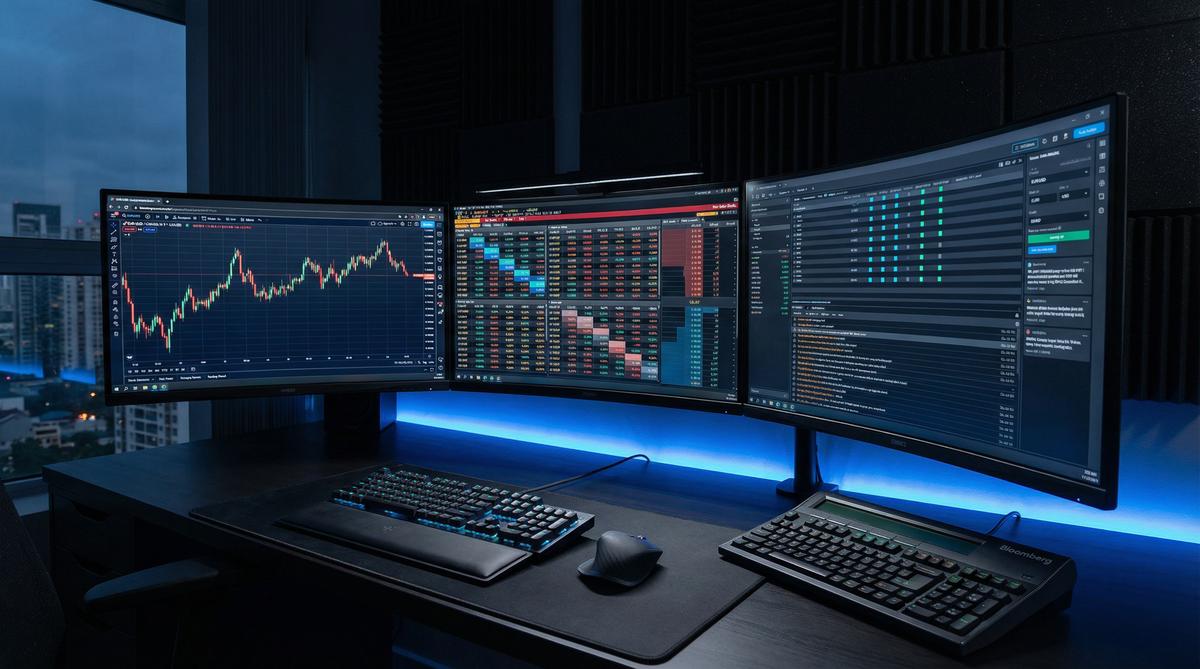
Step-by-Step Forex Trading Guide for Beginners Using Trusted Brokers
Hey there! I’m James Hartwell, CFA, and if you’re just starting out in the world of forex trading, you’re in the right place. Forex can seem like a labyrinth at first — unfamiliar jargon, fast-moving markets, and a dizzying array of brokers — but with the right approach, it can become a rewarding skill to master.
In this guide, I’m going to walk you through the essential steps to get started, focusing on using trusted brokers that protect your money and make the learning curve smoother. Think of it as your friendly roadmap to entering a new financial world, minus the confusing maze.
Why Forex Trading? And Why Trust Matters
Forex, or foreign exchange trading, involves buying and selling currency pairs like EUR/USD or GBP/JPY. It’s the largest financial market globally, with daily volumes exceeding $6 trillion, according to the Bank for International Settlements. But because it’s so vast and fast, choosing the right broker is critical.
Trusted brokers are regulated by top-tier agencies like the FCA (Financial Conduct Authority) in the UK or the NFA (National Futures Association) in the US. These regulators ensure brokers adhere to strict rules, protecting your funds from fraud and malpractice. According to a study published by the FCA, retail investors are significantly less likely to lose money when trading with a regulated entity.
Step 1: Choose a Reliable Forex Broker
The first step is finding a broker that fits your needs. Here’s what to look out for:
- Regulation: Make sure your broker is regulated by authorities like the FCA, ASIC, or CySEC.
- Low minimum deposits: Many beginner-friendly brokers allow you to start with as little as $100.
- Demo accounts: Practice trades with virtual money before risking real cash.
- Educational resources: Good brokers often provide tutorials, webinars, and guides.
- Customer support: Responsive, 24/5 support can be invaluable when you’re getting started.
Comparison of Top Trusted Brokers for Beginners
| Broker | Regulation | Minimum Deposit | Demo Account | Educational Resources | Customer Support |
|---|---|---|---|---|---|
| Example Broker 1 | FCA, CySEC | $100 | Yes | Videos, Articles, Webinars | 24/5 Live Chat & Phone |
| Example Broker 2 | ASIC | $50 | Yes | Interactive Courses | Email Support, Live Chat |
| Example Broker 3 | FCA | $200 | Yes | Webinars & Tutorials | Phone & Live Chat |
Step 2: Set Up Your Trading Account
Once you pick a broker, setting up your account is usually straightforward. You’ll need to provide some personal details and verify your identity—a legal requirement to comply with anti-money laundering laws. As per FCA guidelines, this step protects you from fraud and ensures a secure trading environment.
Don’t rush. Double-check your details, and explore the platform’s demo mode to get comfortable with order types like market orders, limit orders, and stop-loss orders.
Step 3: Create a Trading Plan
Forex trading without a plan is like sailing without a compass. Decide upfront how much capital you want to risk, your daily loss limits, and profit targets. The NHS recommends managing stress and mental health carefully, so having strict risk controls can help keep emotions in check.
Focus on learning a few currency pairs well rather than spreading yourself too thin. Popular pairs like EUR/USD tend to be more liquid and less volatile, which is beneficial for beginners.
Step 4: Start with a Demo Account
Before risking real money, practice with your broker’s demo account. This virtual environment replicates real market conditions and helps you understand how trades are executed without risking your hard-earned cash.
Note that performance results in a demo account do not guarantee future success with real money, but it’s a valuable learning tool. The FDA (Food and Drug Administration) emphasizes that simulated environments help reduce risk and improve skill acquisition in practice scenarios, which applies well here.
Step 5: Fund Your Account and Begin Trading
Once you’re confident, fund your account with an amount you’re comfortable losing. Remember, forex trading is speculative, and losses can happen—even to professionals.
Start small and use risk management tools like stop-loss orders provided by your broker to protect your capital. Over time, as you gain experience, you might increase your trade sizes and diversify your strategies.
Pro Tip: Keep a Trading Journal
Track every trade—entry price, exit price, strategy used, and emotional state. Reflecting on these notes regularly will help you spot patterns and improve your skills over time.
Step 6: Continue Learning and Stay Updated
The forex market is influenced by global economics, politics, and central bank decisions. Trusted brokers often provide real-time news feeds and analysis. Use these tools daily to stay ahead.
Additionally, reading academic studies and authoritative guidelines helps. For example, a 2018 study published in the Journal of Financial Markets highlighted how disciplined traders who follow structured learning and risk management outperform impulsive ones.
FAQs About Forex Trading for Beginners
Is forex trading suitable for beginners?
Yes, but beginners should start with trusted regulated brokers, use demo accounts, and learn proper risk management before trading real money.
How much money do I need to start forex trading?
Many brokers allow you to start with as little as $50-$100. However, use only money you can afford to lose.
What is leverage, and should I use it?
Leverage allows you to control larger positions with less money but increases risk significantly. Beginners should use leverage cautiously or avoid it until more experienced.
Can I trade forex on my smartphone?
Yes, most trusted brokers offer mobile apps that let you trade anywhere, anytime. Just ensure you have a secure internet connection.
How can I protect myself from scams?
Only trade with brokers regulated by reputable authorities like FCA, ASIC, or CySEC. Avoid promises of guaranteed profits and always verify the broker’s credentials.
Ready to Start Your Forex Journey?
If you’re serious about making forex trading a part of your financial toolkit, the first step is choosing a broker you can trust. I recommend you check out Example Broker 1 for their beginner-friendly approach and strong regulatory backing.
Also, don’t hesitate to open a demo account with Example Broker 2. Their educational resources will guide you as you practice and build confidence.
Forex is a marathon, not a sprint. With a disciplined plan and trusted partners, you can turn the complex world of currency trading into an exciting learning experience and maybe even a steady income source.
Happy trading,
James Hartwell, CFA