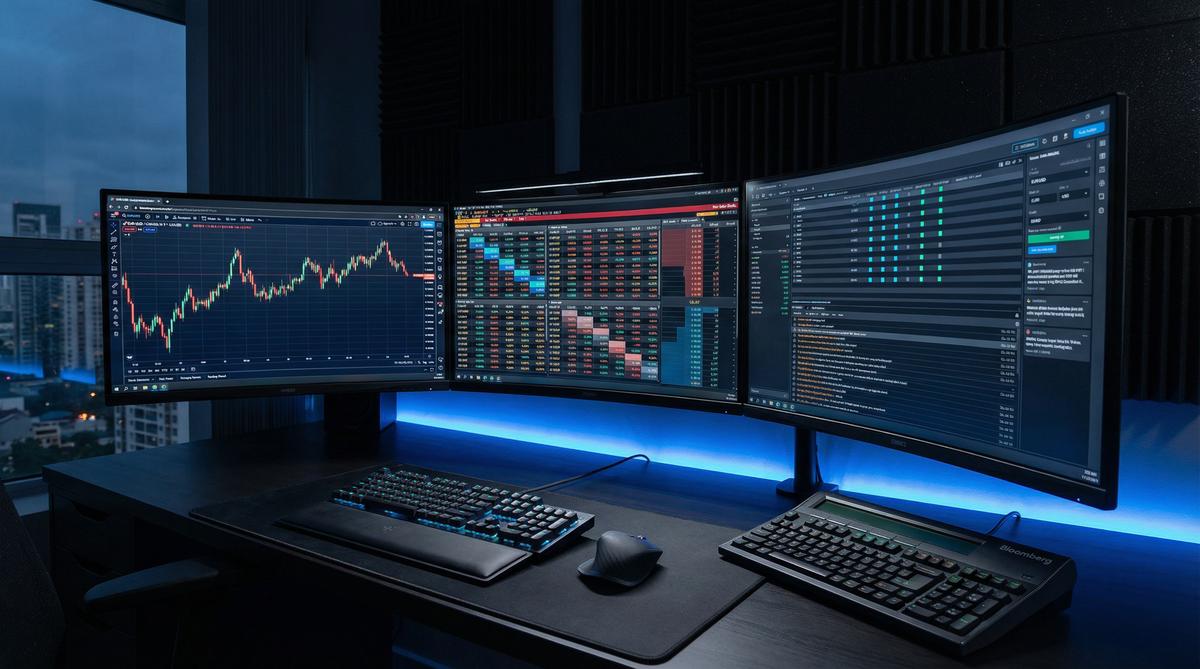
How to Choose a Forex Broker Based on Trading Instruments Offered
Hi there! I’m James Hartwell, CFA, and if you’re just starting out in forex trading, one of the biggest hurdles you’ll face is picking the right broker. There’s so much to consider, but today I want to narrow it down to one crucial factor: the trading instruments offered. Think of it like choosing a toolbox — the more versatile and reliable the tools, the better your chances of building something great.
Why Do Trading Instruments Matter?
Forex trading isn’t just about currency pairs anymore. While the classic EUR/USD or GBP/USD are great starting points, many brokers now offer a variety of assets like commodities, indices, stocks, and even cryptocurrencies. Having access to diverse instruments means you can tailor your trading strategy, hedge risks, and explore opportunities in different markets without switching platforms.
Beginner traders often overlook this, but the instruments a broker offers can impact your learning curve and even your profitability. It’s a bit like learning to cook — if your kitchen only has a frying pan, your recipe options are limited.
Types of Trading Instruments Commonly Offered
1. Forex Currency Pairs
This is the bread and butter of forex trading. Brokers typically offer major pairs (EUR/USD, USD/JPY), minor pairs (EUR/AUD, GBP/NZD), and exotics (USD/TRY, USD/ZAR). Beginners should start with majors because of their liquidity and tighter spreads.
2. Commodities
These include gold, silver, oil, and agricultural products. Commodities can provide a safe haven during volatile times and diversify your exposure.
3. Indices
Indices represent a basket of stocks from a particular region, like the S&P 500 or FTSE 100. Trading indices allows exposure to whole markets rather than individual stocks.
4. Stocks and ETFs
Some brokers let you trade shares of companies or ETFs directly or via CFDs. This is great if you want more control or to apply your knowledge of particular companies.
5. Cryptocurrencies
Popular among traders who want high volatility and 24/7 markets. Just remember, crypto can be highly unpredictable, so proceed carefully.
How to Match Trading Instruments to Your Goals and Risk Appetite
Before you fall in love with a broker just because they have 100+ instruments, ask yourself these questions:
- What’s my trading style? Day trading needs different instruments than long-term investing.
- How much risk am I willing to take? Exotics and cryptocurrencies can be riskier than majors.
- Do I want to diversify? Having access to commodities or indices can help balance your portfolio.
Start by focusing on a few instruments you understand well. Diversify slowly as you gain confidence.
Comparison of Popular Brokers Based on Trading Instruments
To give you a clear picture, here’s a simple comparison of three beginner-friendly brokers and the types of instruments they offer:
| Broker | Forex Pairs | Commodities | Indices | Stocks/ETFs | Cryptocurrencies |
|---|---|---|---|---|---|
| Broker A | 70+ | Gold, Oil | 10+ | 100+ CFDs | BTC, ETH, LTC |
| Broker B | 50+ | Gold, Silver | 15 | N/A | BTC, XRP |
| Broker C | 40+ | N/A | 5 | 50+ Stocks | N/A |
Regulatory Considerations and Safety
Choosing a broker with a broad range of instruments is fantastic, but not if it compromises your safety. Always trade with brokers regulated by reputable authorities like the Financial Conduct Authority (FCA) or others recognized worldwide. Regulation means your funds are safeguarded and the broker complies with fair trading practices.
Remember, the NHS also highlights the importance of managing stress and risk in trading, so don’t overload yourself by taking on too many complex instruments at once.
Final Tips for Beginners When Choosing a Forex Broker
- Demo Accounts: Use them to test out the trading platform and instruments before committing real money.
- Spreads and Commissions: Wide spreads on exotic pairs or commodities can eat into profits.
- Customer Support: Beginners benefit from responsive, knowledgeable support.
- Education Resources: Look for brokers that offer tutorials and webinars about different instruments.
FAQs About Trading Instruments and Forex Brokers
1. What are the best trading instruments for beginners?
Major forex pairs like EUR/USD and GBP/USD are the best starting points due to lower volatility and tighter spreads.
2. Can I trade multiple asset types with one broker?
Yes! Many brokers now offer forex, commodities, indices, stocks, and cryptocurrencies all under one platform.
3. Are cryptocurrencies safe to trade as a beginner?
Cryptos are highly volatile and carry higher risk. Beginners should approach them cautiously and focus on traditional forex pairs first.
4. How does the number of instruments affect my trading?
Having more instruments offers diversification but can complicate your learning curve. Start with a few you understand well.
5. Why is regulation important when choosing a broker?
Regulation protects your funds and ensures that brokers operate fairly. It’s crucial for your safety and peace of mind.
Ready to Start Trading?
If you’re eager to dive in, I recommend checking out our top-rated beginner brokers that offer a fantastic variety of trading instruments combined with user-friendly platforms and strong regulation. Don’t forget to open a demo account first!
Also, for a hands-on experience, try demo trading on these brokers to get comfortable with different instruments and see what suits your style best.
Happy trading, and remember: the right tools in your toolbox can make all the difference!