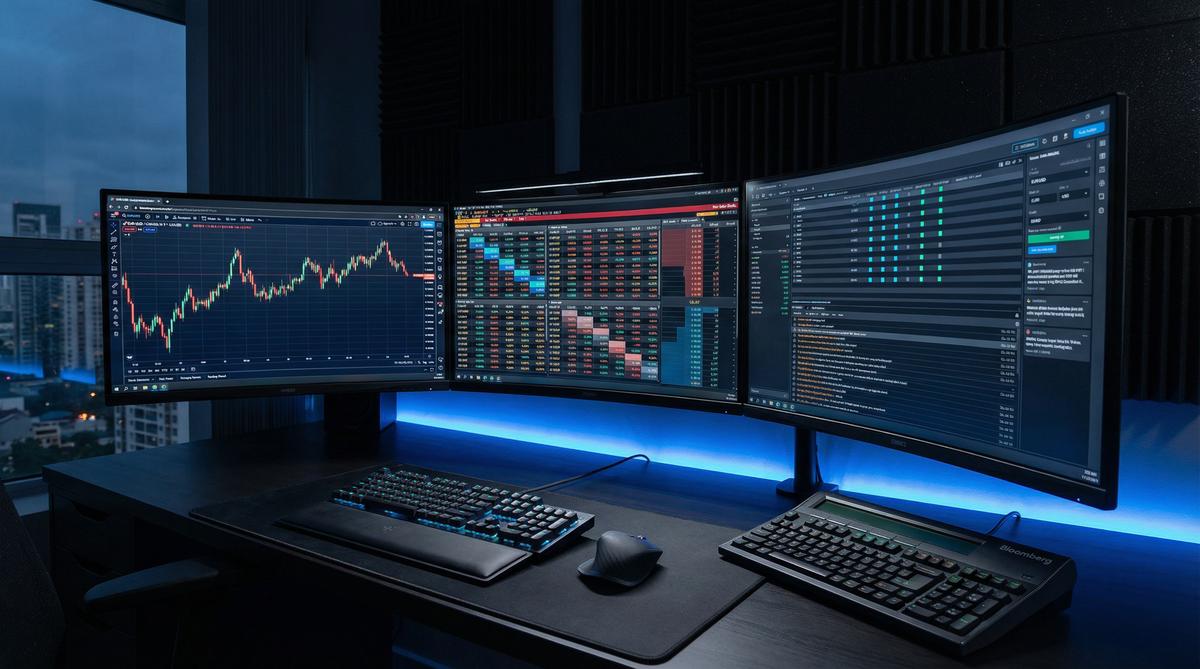
Forex Broker Buyer’s Guide: What Every Beginner Should Know
Hey there, future Forex trader! If you’re just starting out, the world of foreign exchange can feel like a maze. Choosing the right broker is one of the most important steps in your trading journey, and that’s exactly why I wrote this guide. I’m James Hartwell, CFA, and I’ve helped countless beginners navigate the Forex markets safely and smartly. Let’s take a look at what you need to know before opening that first account.
Why Your Choice of Forex Broker Matters
Think of your Forex broker as your trading partner — they execute your trades, offer you tools, and sometimes even provide educational resources. A reliable broker ensures you’re trading in a secure environment with transparent conditions. As the UK’s Financial Conduct Authority (FCA) stresses, regulation is key to protecting your funds and your interests (FCA, 2023).
Key Factors to Consider When Choosing a Forex Broker
1. Regulation and Security
Regulation isn’t just a buzzword — it’s your safety net. Trusted regulatory bodies like the FCA, the U.S. Commodity Futures Trading Commission (CFTC), or the Australian Securities and Investments Commission (ASIC) enforce strict standards. They ensure brokers segregate client funds, conduct fair business practices, and provide dispute resolution services. Always check if your broker is regulated in your country.
2. Trading Costs and Fees
Lower costs mean more potential profits. Brokers typically earn through spreads (the difference between buying and selling prices), commissions, or both. Beginners should look for transparent fee structures. For example, some brokers charge zero commissions but have wider spreads, while others offer tight spreads paired with commissions. Make sure you understand these before committing.
3. Account Types and Minimum Deposits
Most brokers offer multiple account types to cater to different traders. Some have micro or demo accounts perfect for testing strategies without risking real money. Minimum deposit requirements vary widely — some start as low as $1, while others require thousands. Beginners usually benefit from accounts with low minimum deposits and demo options.
4. Trading Platforms and Tools
A user-friendly platform can make learning much easier. Popular platforms like MetaTrader 4 (MT4) and MetaTrader 5 (MT5) are favored by many for their robust features and extensive support. Additionally, check if the broker offers educational resources, charts, analysis tools, and mobile apps for trading on the go.
5. Customer Support
When you’re new, questions will come up. Responsive and knowledgeable customer support can save a lot of headaches. Try contacting support before signing up to test their responsiveness and friendliness. Look for brokers offering live chat, email, and phone support during your local trading hours.
Forex Broker Comparison Table for Beginners
| Broker | Regulation | Minimum Deposit | Platform | Fees | Demo Account |
|---|---|---|---|---|---|
| ExampleBroker1 | FCA, ASIC | $100 | MT4, MT5 | Spreads from 0.8 pips | Yes |
| ExampleBroker2 | CFTC, NFA | $50 | Proprietary Web Platform | Commission $5 per lot | Yes |
| ExampleBroker3 | FCA | $10 | MT4 | Spreads from 1.2 pips | Yes |
Common Beginner Questions About Forex Brokers
1. What is the difference between a Forex broker and a Forex dealer?
A Forex broker acts as an intermediary, matching buyers and sellers, while a Forex dealer takes the other side of your trade directly. Brokers generally offer more transparent pricing and are safer for beginners.
2. Can I trade Forex with a small amount of money?
Absolutely! Many brokers offer accounts with minimum deposits as low as $10 or even less. Starting small helps you learn without risking too much capital.
3. How important is leverage when choosing a broker?
Leverage can increase your potential profits but also your potential losses. Regulators like the FCA cap leverage for retail traders to protect you. Beginners should use leverage cautiously.
4. Do brokers provide demo accounts?
Yes, most reputable brokers offer demo accounts. These allow you to practice trading with virtual money to get comfortable with the platform and strategies without risk.
5. How do I know if my money is safe with a broker?
Check if the broker is regulated by a trustworthy authority and whether they segregate client funds. These measures help keep your money secure.
Final Thoughts: Start Your Forex Journey Safely
Choosing the right Forex broker can feel overwhelming, but with the right information, you’ll make a confident choice. Remember to prioritize regulation, fees, platform quality, and support. And don’t rush — test demo accounts and learn before trading live.
Ready to pick your first broker? Click here to get started with ExampleBroker1, one of the best options for beginners, regulated and user-friendly.
Or try ExampleBroker3, perfect if you want a low minimum deposit and the trusted MetaTrader 4 platform.
FAQ Schema (JSON-LD)