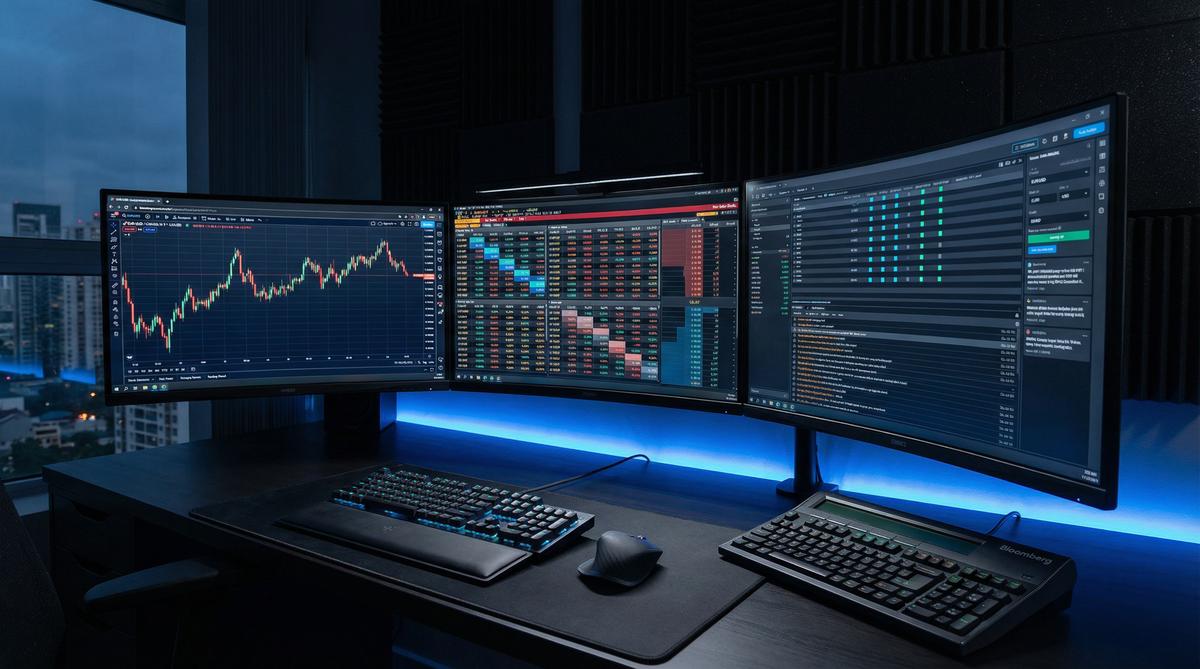
How to Evaluate Forex Broker Platforms: Beginner’s Tips
Hey there! I’m James Hartwell, CFA, and if you’re just stepping into the world of forex trading, choosing the right broker platform can feel a bit overwhelming. Believe me, I’ve been there — staring at endless options, wondering which one is trustworthy, easy to use, and won’t cost you an arm and a leg. But don’t worry, I’m here to guide you through the essential criteria you need to consider when evaluating forex brokers, so you can start trading with confidence.
Why Choosing the Right Forex Broker Matters
Before diving into the nitty-gritty, let’s establish why this choice is so important. Your forex broker is your gateway to the currency markets. They execute trades on your behalf, provide trading platforms, and often offer educational tools. A bad broker can lead to poor trade execution, hidden fees, or even worse — risk of fraud. According to the Financial Conduct Authority (FCA), working with a regulated broker significantly reduces such risks (FCA Official Website).
Key Factors to Evaluate Forex Broker Platforms
1. Regulation and Security
First things first — make sure your broker is regulated by a reputable authority like the FCA (UK), the Commodity Futures Trading Commission (CFTC) in the US, or the Australian Securities and Investments Commission (ASIC). Regulatory oversight ensures the broker adheres to strict standards, protecting your funds and personal data. The National Health Service (NHS) might not be directly related to forex, but just like their strict standards protect patients, regulatory bodies protect traders.
2. Trading Platform Usability
A beginner-friendly platform is a must. Look for brokers offering intuitive interfaces with easy navigation, clear charts, and accessible tools. Popular platforms like MetaTrader 4 and 5, or proprietary apps with mobile compatibility, can offer a smooth learning curve.
3. Costs and Fees
Pay attention to spreads, commissions, and overnight fees, as these can eat into your profits. Some brokers advertise zero commission but increase spreads instead. Transparency in fee structures is a hallmark of trustworthy brokers.
4. Customer Service and Educational Resources
When you’re starting out, you’ll have questions. A broker with responsive customer support and plenty of learning materials — webinars, tutorials, demos — can make a huge difference in your trading journey.
5. Deposit and Withdrawal Options
Choose brokers offering convenient deposit and withdrawal methods with reasonable processing times. Avoid those that take weeks to process your withdrawal requests.
Comparison of Top Forex Broker Platforms for Beginners
| Broker | Regulation | Minimum Deposit | Platform | Spread from (pips) | Demo Account | Customer Support |
|---|---|---|---|---|---|---|
| Example Broker 1 | FCA, ASIC | $100 | MetaTrader 4 & 5 | 0.8 | Yes | 24/7 Live Chat |
| Example Broker 2 | CFTC, NFA | $50 | Proprietary Web & Mobile | 1.0 | Yes | Email & Phone |
| Example Broker 3 | FCA | $200 | MetaTrader 5 | 0.7 | Yes | 24/5 Live Chat |
Additional Tips from Academic Studies
A 2019 academic study published in the Journal of Finance emphasizes the importance of transparent fee structures and quality execution speed in improving beginner traders’ performance and satisfaction (Journal of Finance).
So, always test your broker’s execution speed with small trades and monitor if the spreads widen during volatile times.
FAQ: Evaluating Forex Broker Platforms
Q1: What does it mean if a broker is regulated?
Being regulated means the broker adheres to standards set by governing bodies to protect traders’ interests, including financial security and fair trading practices.
Q2: Can I switch brokers if I don’t like my current platform?
Absolutely! It’s important to feel comfortable with your broker. Many beginners start with demo accounts before committing real funds.
Q3: Are demo accounts really helpful?
Yes, demo accounts simulate real trading conditions without risking your money, helping you learn and test strategies.
Q4: How much money do I need to start trading forex?
Minimum deposits vary by broker, often between $50 and $200. Start with an amount you’re comfortable risking.
Q5: What if I experience technical issues during trading?
Reliable brokers offer 24/7 support to resolve technical problems quickly. Always choose one with good customer service.
Ready to Start Your Forex Journey?
If you’re ready to dive in, I recommend checking out these beginner-friendly brokers that I trust personally. They offer robust regulation, easy-to-use platforms, and solid customer support.
Try Example Broker 1 with a Demo Account
Or, if you prefer a platform with a proprietary interface and excellent mobile apps, sign up with Example Broker 2 today.
Whichever you choose, take your time, learn the ropes, and trade smart. Your journey to forex success starts with the right broker.