Forex Broker Buyer’s Guide: What New Traders Need to Know
Hey there! If you’re just dipping your toes into the exciting world of forex trading, you’ve probably realized that picking the right broker can feel overwhelming. Believe me, I’ve been there. I’m James Hartwell, CFA, and I want to walk you through the essentials so you can make an informed choice that sets you up for success.
Why Choosing the Right Forex Broker Matters
Imagine setting out on a road trip without a reliable car or map. That’s what trading without the right broker is like. Your broker isn’t just a middleman; they provide the platform, resources, and security that can make or break your experience.
According to the Financial Conduct Authority (FCA), one of the most respected regulators in the UK, using a regulated broker ensures your money is safeguarded and trading practices are transparent (FCA Forex Overview).
Top Factors New Traders Should Consider
1. Regulation and Safety
Your first checkpoint should be whether the broker is regulated by a reputable authority. Regulators like the FCA in the UK, the Commodity Futures Trading Commission (CFTC) in the US, or the Australian Securities and Investments Commission (ASIC) ensure brokers operate fairly and protect your funds.
In fact, a study published in the Journal of Finance highlights that regulated environments reduce fraud and increase trader confidence (Journal of Finance, 2020).
2. Trading Platform and Tools
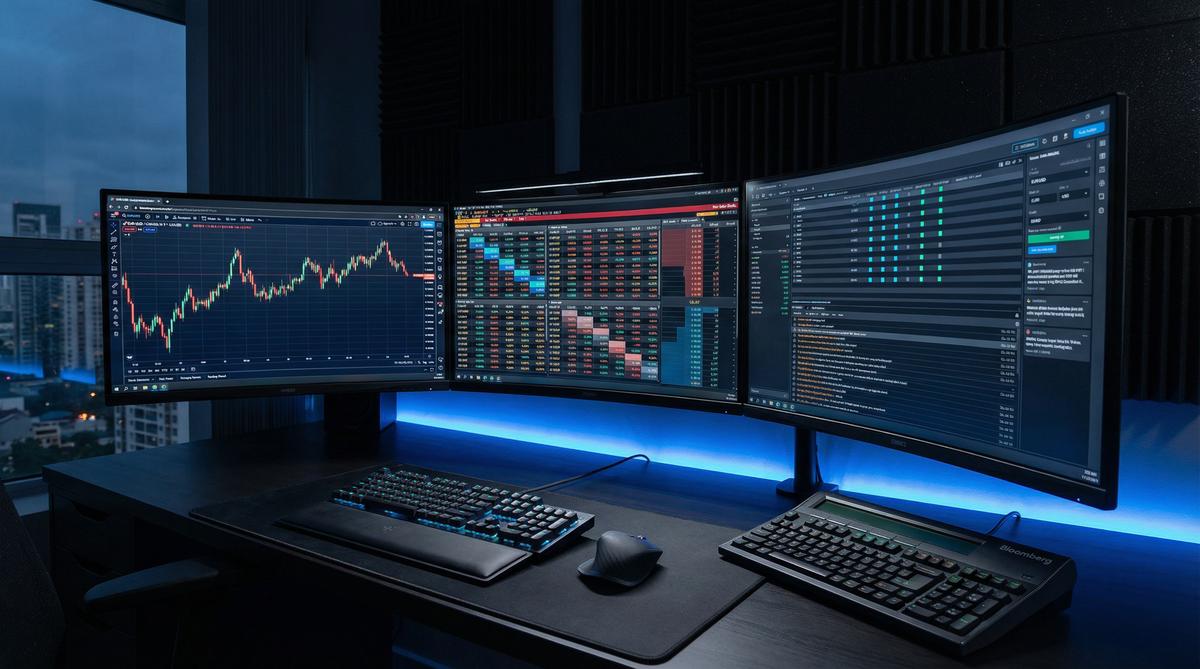
A user-friendly platform can make learning and trading much smoother. Look for brokers offering popular platforms like MetaTrader 4 or 5, or their proprietary platforms that provide real-time charts, analysis tools, and easy order execution.
3. Account Types and Minimum Deposit
As a beginner, you probably don’t want to risk a ton of money upfront. Good brokers offer low minimum deposits (sometimes as little as $50) and different account types tailored to your experience and budget.
4. Fees and Spreads
Forex brokers make money primarily through spreads — the difference between the buying and selling price. Some brokers charge commissions, others have wider spreads. Look for transparent fee structures to avoid surprises.
5. Educational Resources and Support
Learning as you go is key. Brokers that offer webinars, tutorials, demo accounts, and responsive customer support make your journey easier and more enjoyable.
Comparison Table: Top Forex Brokers for Beginners
| Broker | Regulation | Min. Deposit | Platform | Demo Account | Spread From |
|---|---|---|---|---|---|
| Broker One | FCA, ASIC | $100 | MetaTrader 4/5 | Yes | 0.8 pips |
| Broker Two | CFTC, NFA | $50 | Proprietary Web Platform | Yes | 1.0 pips |
| Broker Three | FCA | $200 | MetaTrader 5 | Yes | 0.7 pips |
Getting Started: First Steps After Choosing Your Broker
Once you’ve chosen your broker, open a demo account to practice without risking real money. This step is crucial to get comfortable with the platform and test your strategies.
Remember, the NHS encourages mental well-being when engaging in activities like trading — make sure you’re managing stress and not risking more than you can afford to lose (NHS Mental Health Resources).
FAQs: Forex Brokers for New Traders
- What is the minimum amount I need to start forex trading?
- Many brokers allow you to start with as little as $50, but it varies. Make sure to check the minimum deposit before signing up.
- Are demo accounts really free?
- Absolutely! Demo accounts let you trade with virtual money to practice without any risk.
- How do I know if a broker is regulated?
- Check the broker’s website for licenses from authorities like FCA, ASIC, or CFTC, and verify them on the regulator’s official site.
- Can I trade forex on my mobile phone?
- Yes, most brokers offer mobile apps for iOS and Android, so you can trade anytime, anywhere.
- What support is available if I have questions?
- Good brokers offer email, phone, and live chat support. Some also have educational resources and community forums.
Ready to Take the Leap?
If you’re ready to start trading, I recommend checking out Broker One or Broker Two. Both are highly regulated, beginner-friendly, and offer excellent educational tools to help you get up to speed quickly.
Remember, forex trading is a journey. Take your time, keep learning, and don’t hesitate to practice with demo accounts before diving in with real money.
Happy trading!