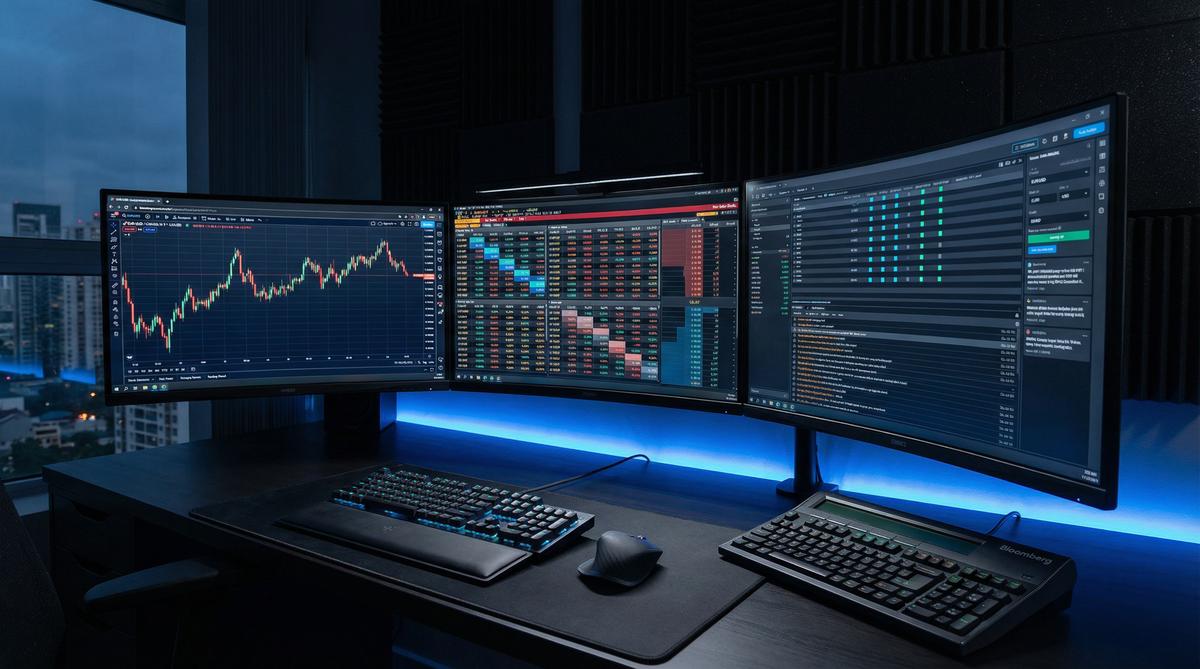
Step-by-Step Guide to Forex Trading for Beginners with Trusted Brokers
Hi there! I’m James Hartwell, CFA, and if you’re new to forex trading, you might be feeling a bit overwhelmed. Believe me, I’ve been there. The good news? With the right guidance and a trustworthy broker, you can confidently navigate the forex market and start trading like a pro. In this guide, I’ll walk you through everything you need to know to get started, step by step.
Why Forex Trading?
The forex market is the largest financial market in the world, with daily trading volume exceeding $6 trillion. It’s open 24 hours a day, five days a week, making it accessible no matter your schedule. Plus, it offers opportunities for profit whether currency prices rise or fall.
But, as the Financial Conduct Authority (FCA) reminds traders, forex carries significant risk, so choosing a trusted broker and understanding the basics is essential before diving in.
Step 1: Understand the Basics of Forex Trading
At its core, forex trading involves buying one currency while simultaneously selling another. These currencies are quoted in pairs, like EUR/USD or GBP/JPY. The price reflects how much of the second currency you need to buy one unit of the first.
Learning key terms like pip (percentage in point), spread (difference between bid and ask price), and leverage (borrowing to increase position size) will help you make informed decisions.
Step 2: Choose a Trusted Forex Broker
Not all brokers are created equal. When you’re starting out, trust, transparency, and ease of use are key factors. Look for brokers regulated by reputable authorities such as the FCA in the UK or similar bodies, which enforce strict rules to protect traders.
Here’s a quick comparison of some of the best forex brokers for beginners:
| Broker | Regulation | Minimum Deposit | Demo Account | Platforms |
|---|---|---|---|---|
| ExampleBroker1 | FCA, ASIC | $100 | Yes | MT4, MT5, Mobile |
| ExampleBroker2 | CySEC | $50 | Yes | cTrader, Mobile |
| ExampleBroker3 | FCA | $200 | Yes | MT4, WebTrader |
Step 3: Open a Demo Account
Before risking real money, start with a demo account. This allows you to practice trading in real market conditions but with virtual funds. Demo accounts help you get familiar with the trading platform, test your strategies, and build confidence.
Step 4: Develop a Trading Plan
Successful traders don’t rely on luck. They develop a clear trading plan that includes their risk tolerance, goals, and strategy. Decide how much capital you’re willing to risk per trade—many experts recommend risking no more than 1-2% of your account balance on any single trade.
Study technical and fundamental analysis. For example, academic research has shown that combining price patterns with economic news can improve trading outcomes (see this study).
Step 5: Fund Your Account and Start Trading
Once you’re comfortable with the demo, it’s time to fund your account. Choose a safe payment method supported by your broker. Remember, never invest money you can’t afford to lose.
Start small, be patient, and stick to your trading plan. Use stop-loss orders to limit potential losses and take-profit levels to secure gains.
Additional Tips for Beginners
- Keep Emotions in Check: Trading can be exciting and stressful. According to the NHS stress guidelines, managing stress is crucial to making sound decisions.
- Keep Learning: Forex markets evolve. Follow reputable sources and consider continuing education.
- Use Leverage Wisely: While leverage can amplify profits, it also increases risk. Regulators like the FCA set limits to protect traders.
Ready to Get Started? Choose Your Trusted Broker Below!
Jump into the exciting world of forex trading today by signing up with one of our recommended brokers. Their platforms are beginner-friendly and regulated for your safety.
Start Trading with ExampleBroker1
Open Your Demo Account at ExampleBroker2
Frequently Asked Questions (FAQ)
What is the best minimum deposit for beginners?
Most beginner-friendly brokers require a minimum deposit between $50 and $200, which is affordable for most new traders.
How do I choose a reliable forex broker?
Look for brokers regulated by authorities like the FCA or CySEC, with transparent fees, good customer support, and easy-to-use platforms.
What is leverage and is it safe to use?
Leverage allows you to control a larger position with a smaller amount of money, which can increase profits but also losses. Use it carefully and understand the risks involved.
Can I trade forex on my mobile?
Yes! Most brokers offer mobile apps compatible with iOS and Android, allowing you to trade on the go.
Is forex trading suitable for everyone?
Forex trading carries risks and may not be suitable for everyone. It’s important to educate yourself, practice with a demo account, and only invest money you can afford to lose.