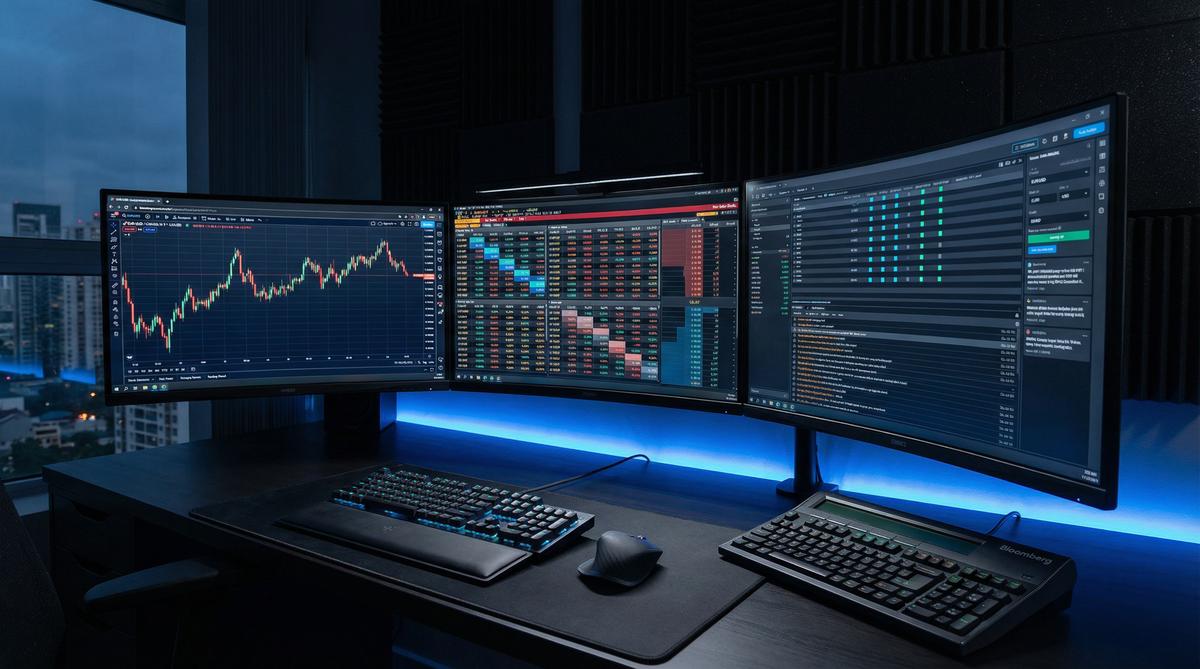
How to Choose a Regulated Forex Broker for Beginner Traders
Hey there! If you’re new to forex trading, diving into the world of currencies can feel overwhelming. One of the most crucial steps you’ll take early on is choosing the right forex broker. But not just any broker — you want a regulated one. Why? Because regulation offers a safety net and peace of mind that your money and trades are protected. I’m James Hartwell, CFA, and in this guide, I’ll walk you through how to pick a regulated forex broker that fits your needs as a beginner. Let’s get started!
Why Is Regulation Important in Forex Trading?
Forex markets are decentralized, meaning there’s no single place or organization that governs all trading. This sets the stage for some shady operators. A regulated broker is monitored by an official financial authority, ensuring they follow strict rules designed to protect traders like you. According to the UK Financial Conduct Authority (FCA), regulation helps prevent fraud, enforces transparency, and requires the broker to keep client funds separate from their own.
Think of it as having a trusted referee in the game to keep everything fair and square.
What to Look For When Choosing a Regulated Broker
With so many options out there, narrowing down the right broker might seem tough. Here are the key things to keep in mind:
1. Check Their Regulatory License
First, make sure the broker is regulated by a reputable authority. The most respected bodies include:
- FCA (UK) – Known for strict compliance and excellent trader protection.
- ASIC (Australia) – Enforces tough standards and segregated client funds.
- CySEC (Cyprus) – Popular in Europe, governed by MiFID regulations.
- National Futures Association (NFA) – USA – Strict regulatory oversight in the United States.
Always verify the license number on the regulator’s official website. If it’s not there, steer clear.
2. Transparent Fees and Spreads
Hidden fees are the enemy, especially for beginners. A regulated broker will clearly outline spreads, commissions, and any other charges. Look for tight spreads to reduce your trading costs, but be wary of brokers promising ultra-low fees with terrible execution or hidden costs.
3. Demo Accounts and Educational Resources
As a beginner, you want to practice without risking real money. Regulated brokers often provide demo accounts that simulate real trading environments. Additionally, check if the broker offers educational materials like webinars, tutorials, and guides, which can accelerate your learning curve.
4. User-Friendly Trading Platform
The trading platform is your cockpit, so it needs to be intuitive and reliable. MetaTrader 4 (MT4) and MetaTrader 5 (MT5) are popular choices, but some brokers have their own proprietary platforms. Try the demo versions to see which feels comfortable.
5. Customer Support
When you’re starting out, questions are inevitable. Make sure the broker has responsive customer service available through channels like live chat, email, or phone, preferably 24/5 or 24/7.
Comparison of Top Regulated Forex Brokers for Beginners
| Broker | Regulator | Minimum Deposit | Demo Account | Platform | Spread (EUR/USD) |
|---|---|---|---|---|---|
| Example Broker 1 | FCA (UK) | $100 | Yes | MT4, MT5 | 1.2 pips |
| Example Broker 2 | ASIC (Australia) | $50 | Yes | MT4, Proprietary | 1.5 pips |
| Example Broker 3 | CySEC (Cyprus) | $200 | Yes | MT5 | 1.1 pips |
Additional Tips for Beginner Traders
Besides finding a regulated broker, here are some extra tips that can set you up for success:
- Start Small: Use small position sizes to manage risk as you learn.
- Keep Emotions in Check: A regulated broker won’t prevent you from making emotional trades, so discipline is key.
- Stay Updated: Follow market news and understand economic indicators.
FAQs
1. What does it mean when a forex broker is regulated?
It means the broker is authorized and supervised by an official financial regulator, ensuring they follow strict rules designed to protect traders and maintain market integrity.
2. Can I trust offshore brokers that are not regulated by major authorities?
Generally, it’s risky. Offshore brokers may not follow strict guidelines, increasing your chances of fraud or losing your deposited funds.
3. How do I verify if a broker is truly regulated?
You can visit the official website of the regulator (like FCA, ASIC, CySEC) and check their register for the broker’s license number.
4. Is a demo account really helpful for beginners?
Absolutely! Demo accounts let you practice trading without risking real money and help you get familiar with the platform and market conditions.
5. Are regulated brokers more expensive?
Not necessarily. While some regulated brokers might have slightly higher fees due to compliance costs, the added security and trustworthiness are generally worth it.
Final Thoughts
Choosing a regulated forex broker is one of the best investments you can make as a beginner. It lays a strong foundation for your trading journey and provides a safer environment to grow your skills and confidence. Remember to prioritize regulation, transparency, user-friendly platforms, and good customer support. Take your time, do your due diligence, and use demo accounts to test the waters.
Ready to start trading securely and confidently? Open a Demo Account with Example Broker 1 Today and explore the forex market risk-free!
Looking for a low minimum deposit and great educational resources? Check out Example Broker 2’s Beginner Program Here and get started with just $50!