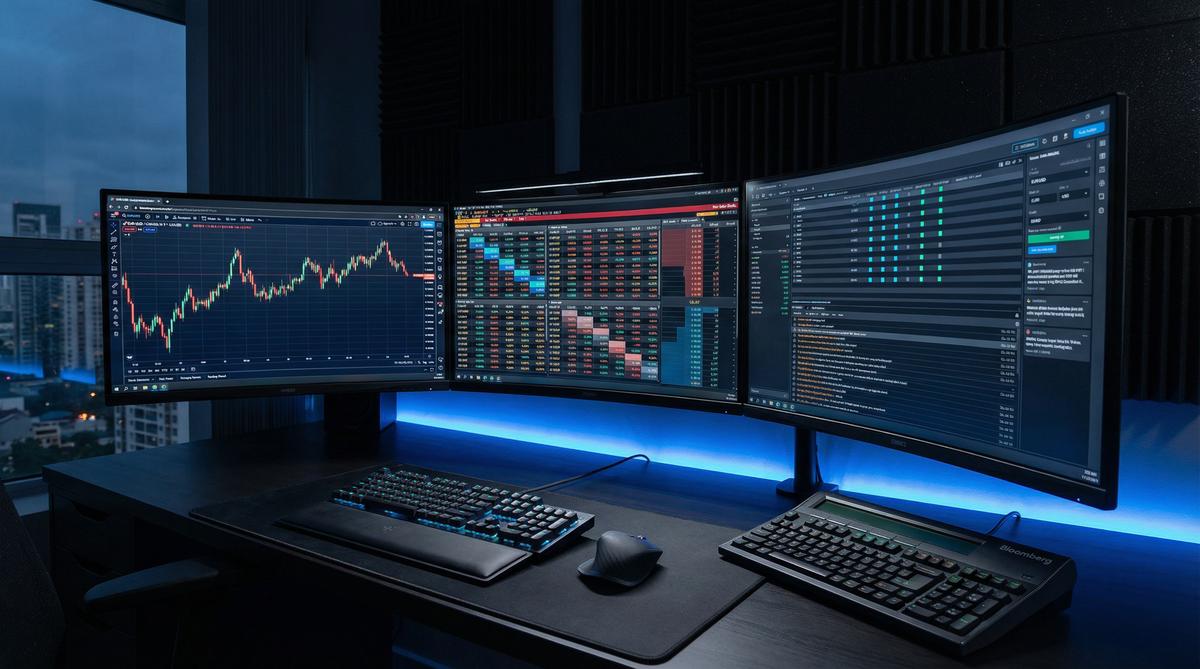
How to Start Forex Trading as a Beginner: Choosing Your Broker
Hi there! I’m James Hartwell, CFA, and if you’re diving into the world of forex trading, you’re probably wondering where to start. That’s totally natural — forex trading can seem like a jungle at first. But picking the right broker can make all the difference between a smooth start and a frustrating experience. Today, I want to walk you through exactly how to choose a trustworthy, beginner-friendly forex broker, so you can trade confidently and smartly.
Why Your Choice of Broker Matters
Think of your forex broker as your trading partner — they provide the platform, tools, and access to the market. Not all brokers are created equal. A reliable broker offers competitive spreads, fast execution, solid customer support, and — importantly — regulation by respected authorities.
As a beginner, you want a broker who’s transparent, easy to use, and provides educational resources. According to the UK Financial Conduct Authority (FCA), choosing a regulated broker reduces your risk and protects your investments, which is a huge comfort for new traders.
Step 1: Check Broker Regulation and Trustworthiness
Before you sign up, verify the broker’s regulatory status. Regulatory bodies like the FCA in the UK, the US Commodity Futures Trading Commission (CFTC), or the Australian Securities and Investments Commission (ASIC) enforce strict rules to protect traders.
Why does this matter? Because regulated brokers must keep your funds separate, maintain minimum capital requirements, and follow strict conduct guidelines. This oversight reduces chances of fraud and shady practices.
Step 2: Evaluate Platform Usability and Features
As a beginner, you want a platform that’s not intimidating. Look for brokers offering intuitive interfaces through desktop and mobile apps. Platforms like MetaTrader 4 (MT4) and MetaTrader 5 (MT5) are popular — many brokers offer these as standard.
Try demo accounts before committing real money. A demo lets you get comfortable with order types, charting tools, and trade execution without risking your capital.
Step 3: Understand Fees, Spreads & Leverage
Forex brokers make money through spreads (difference between buying and selling price) or commissions. Beginners should look for low spreads and transparent fee structures.
Leverage lets you control a bigger position with smaller capital — but it’s a double-edged sword. While leverage can amplify profits, it can also magnify losses. According to an academic study from the Financial Markets Authority (New Zealand), inexperienced traders often underestimate the risks of high leverage.
Start with conservative leverage (like 1:10) and increase only as you gain experience.
Step 4: Customer Support and Educational Resources
Good customer support is a lifesaver, especially when you’re new. Look for brokers who offer multiple contact methods — live chat, phone, email — with quick response times.
Educational content such as webinars, tutorials, and articles are valuable for building your trading knowledge. Brokers investing in education show they care about their clients’ success.
Popular Forex Brokers for Beginners: Quick Comparison
| Broker | Regulation | Minimum Deposit | Platform | Demo Account | Education |
|---|---|---|---|---|---|
| BrokerOne | FCA, ASIC | $100 | MT4, MT5, Proprietary | Yes | Webinars & Articles |
| TradeEasy | CFTC, NFA | $50 | MT4, Mobile App | Yes | Video Tutorials |
| ForexStart | FCA | $200 | MT5 | Yes | Interactive Courses |
FAQs About Choosing a Forex Broker
What is the minimum deposit to start forex trading?
Minimum deposits vary by broker, typically ranging from $50 to $200. As a beginner, choose a broker with a low minimum deposit to start practicing without risking too much capital.
Are demo accounts really useful?
Absolutely! Demo accounts let you practice trading in a risk-free environment, familiarize yourself with the platform, and test your strategies before using real money.
Is forex trading safe for beginners?
Forex trading carries risks, especially for beginners. However, by selecting a regulated broker, using demo accounts, and practicing sound risk management, you can trade safely and responsibly.
What leverage should beginners use?
Beginners should start with low leverage, such as 1:10 or lower, to minimize risk. High leverage can quickly lead to large losses.
How important is customer support when choosing a broker?
Very important. Responsive customer support helps resolve issues quickly, which is crucial when you’re starting out and may need extra guidance.
Ready to Start Your Forex Journey?
Choosing the right broker is your first step to success. If you’re looking for a reliable, beginner-friendly platform, I recommend giving BrokerOne a try — their demo accounts and educational resources are fantastic for new traders.
Alternatively, TradeEasy offers a low minimum deposit and responsive support, perfect if you want to start small and grow.
Remember, forex trading is a journey, not a sprint. Pick a broker you trust, educate yourself, and trade responsibly. If you want to learn more about forex brokers for beginners, keep browsing BestForexBrokersForBeginners.com — I’m here to help!