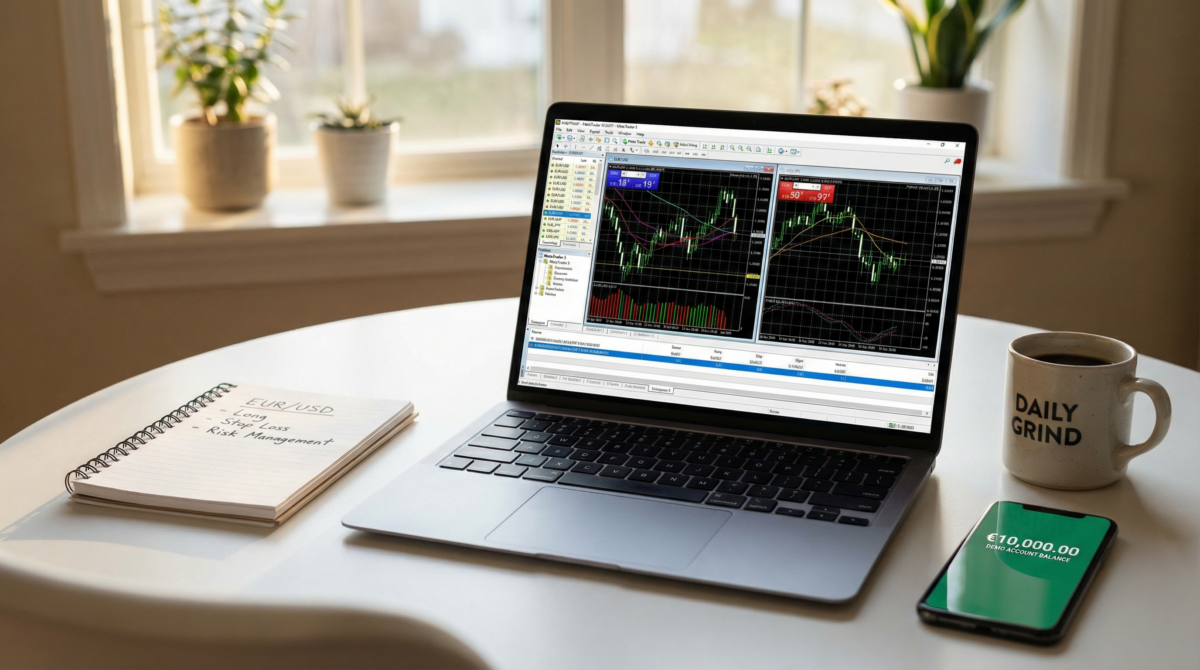
Mastering Forex Without Losing a Dime: The Ultimate Forex Demo Account Guide for New Traders
When I first dipped my toes into Forex trading back in 2017, I was overwhelmed. Charts looked like alien landscapes, terms were thrown around like confetti, and the stakes? Well, they felt sky-high. But here’s the kicker—I didn’t jump straight into real money. Nope. I spent a solid three months grinding on demo accounts. And honestly? That decision saved me a small fortune (and a lot of stress).
Why a Forex Demo Account Isn’t Just a Gimmick
Forex demo accounts act like your training wheels before you ride the big bike (or motorcycle, if you prefer a little adrenaline). They let you trade real Forex markets but with virtual money. No risk of wiping out your savings, no sleepless nights staring at your phone, wondering if that one trade was a colossal mistake.
Now, you might be thinking: “So, it’s just playing pretend? How useful can that be?” Here’s the thing though—demo accounts replicate real market conditions (mostly). They provide you a stress-free zone to:
- Flesh out your trading strategies without hitting the panic button.
- Learn how to use trading platforms without accidentally selling your house.
- Get a feel for market volatility and understand how spreads, leverage, and margin calls work.
I remember my first week fiddling around with MetaTrader 4’s demo account—trying to place trades, set stop losses, and figure out what “pip” actually meant. Spoiler alert: I thought it was some kind of cute nickname until I Googled it.
How Forex Demo Accounts Actually Work
Here’s a simplified breakdown: broker provides you with a virtual balance (usually $10,000 or more), you place trades on the live market, but all gains and losses are just on paper. Think of it like fantasy football, but with currency pairs instead of touchdowns.
Most demo accounts update prices in real-time and mirror live market conditions closely, but sometimes the order execution can feel a bit too perfect (no one likes slippage—unless you’re a robot).
Real vs Demo: The Emotional Wildcard
One thing demo trading can’t replicate is the emotional rollercoaster of risking your own cash. Nothing compares to the gut punch of watching a trade tank with your money on the line, or the high of cashing out a neat profit. But practicing on demos helps build your confidence and discipline—two things every trader needs.
Picking the Right Forex Demo Account for You
Not all demo accounts are created equal. When I tested out over a dozen brokers (and yes, I still remember the frustration of some registration processes), I noticed some clear winners and losers.
| Broker | Demo Balance | Platform(s) | Demo Duration | Mobile App | Ease of Signup |
|---|---|---|---|---|---|
| Broker A | $100,000 | MT4, MT5 | Unlimited | Yes | Instant |
| Broker B | $10,000 | Proprietary Platform | 30 days | Yes | Requires Verification |
| Broker C | $50,000 | cTrader, MT5 | Unlimited | Yes | Instant |
It might surprise you, but sometimes the “biggest demo balance” isn’t the best if the platform is clunky or the signup takes days. For beginners, I honestly think ease of use beats flashy features every time.
The Signup Process Isn’t Always a Walk in the Park
If you’re anything like me, you just want to get trading, not hunt for your passport or fill out endless forms. Some brokers let you jump straight in with an email, others want proof of ID up front. My advice? Start with the quick signup demos, and then graduate to more regulated ones that ensure your safety.
Strategies for Using Your Demo Account Effectively (Yes, There’s a Method!)
Here’s where most new traders slip up. They open a demo account, place a few random trades, then get bored and jump into real trading unprepared. Don’t be that guy.
In my experience, treating your demo like real money—setting goals, journaling your trades, and testing strategies—is key to success. Here’s what I recommend:
- Set a starting demo balance and goal: For example, start with $10,000 and aim to grow it by 10% in two weeks.
- Use real trading hours: Trade during peak market activity (like London or New York sessions) to get a feel for real volatility.
- Keep a trading journal: Note every trade’s entry, exit, reason, and outcome. This will teach you patterns and emotional triggers.
- Test risk management: Play around with stop-loss and take-profit orders. Try risking 1-2% of your demo balance per trade.
- Switch up strategies: Try scalping, swing trading, or trend-following to see what suits your style.
Doing this turned me from a clueless newbie into someone who could spot a potential trade without breaking out into a cold sweat.
Common Demo Account Pitfalls (and How to Dodge Them)
So, what can go wrong? Plenty.
- Overconfidence: Demo profits can be addictive but don’t assume real money trading will be just as smooth.
- Ignoring Slippage and Spreads: Some demo accounts have unrealistic spreads, which messes with strategy testing.
- Trading Without a Plan: Just clicking buttons won’t cut it—develop a strategy first.
- Getting Stuck in Demo Mode: It’s easy to get comfortable, but remember, at some point you’ll need to make the real leap.
Honestly, I once stayed on a demo for six months too long. Comfortable, yes, but I delayed real growth by not challenging myself.
Regulations and Safety: Why Demo Accounts Are Your Safe Space
Many regulated brokers (think FCA in the UK or ASIC in Australia) require identification before you can open a real account. Demo accounts, however, are usually wide open—no need to fork over personal docs initially.
This free pass lets you test brokers’ platforms, execution speed, and spreads without risking your data or money. Just be wary of unregulated brokers offering demo accounts—sometimes they’re just sugarcoating poor service.
For further reading on broker regulations, check out resources from the Financial Conduct Authority (FCA) and the Australian Securities Exchange (ASX) websites.
What’s Next After Demo? Taking the Leap to Real Trading
Here’s where it gets interesting—after you’ve nailed your demo game, it’s time to open a real account. If you want, I’ve put together some step-by-step guides to get you started [INTERNAL: Step-by-Step Guide to Opening a Forex Trading Account for Beginners]. Also, don’t forget to check brokers with risk-free no deposit bonuses to soften the blow [INTERNAL: Top Forex Brokers for Beginners with No Deposit Bonuses: Start Trading Risk-Free Today].
Transitioning isn’t magic. Real money means real emotions—but if you’ve practiced well, you’ll be more prepared than most.
Why I Recommend Starting with a Forex Demo Account (Even if You Know What You’re Doing)
I’ve seen traders jump in headfirst, powered by optimism and YouTube tutorials. Some make it big, others crash hard. Demo trading is the safety net, the rehearsal stage. Even I, with years of experience, still use demo accounts to test new strategies and platforms.
Here’s a little secret: when you open a demo account, you’re not just learning a platform—you’re learning yourself as a trader.
FAQ Section
Ready to Dive In?
If you’re itching to get started, don’t rush into real trading just yet. Sign up for a demo account with one of the brokers I’ve tested and trusted (you can find some solid picks here [INTERNAL: Forex Broker Reviews: The Best Platforms for New Forex Traders]).
And if you want to speed up your learning, grab a no-deposit bonus to practice real trades risk-free. Seriously, why pay when you can practice for free? Check out [INTERNAL: Top Forex Brokers for Beginners with No Deposit Bonuses: Start Trading Risk-Free Today] for options that won’t break your bank—or your spirit.
Remember, Forex trading isn’t a sprint—it’s a marathon. Your demo account is your training ground. Treat it seriously, learn from mistakes, and when you’re ready, the real markets await.
Happy trading!