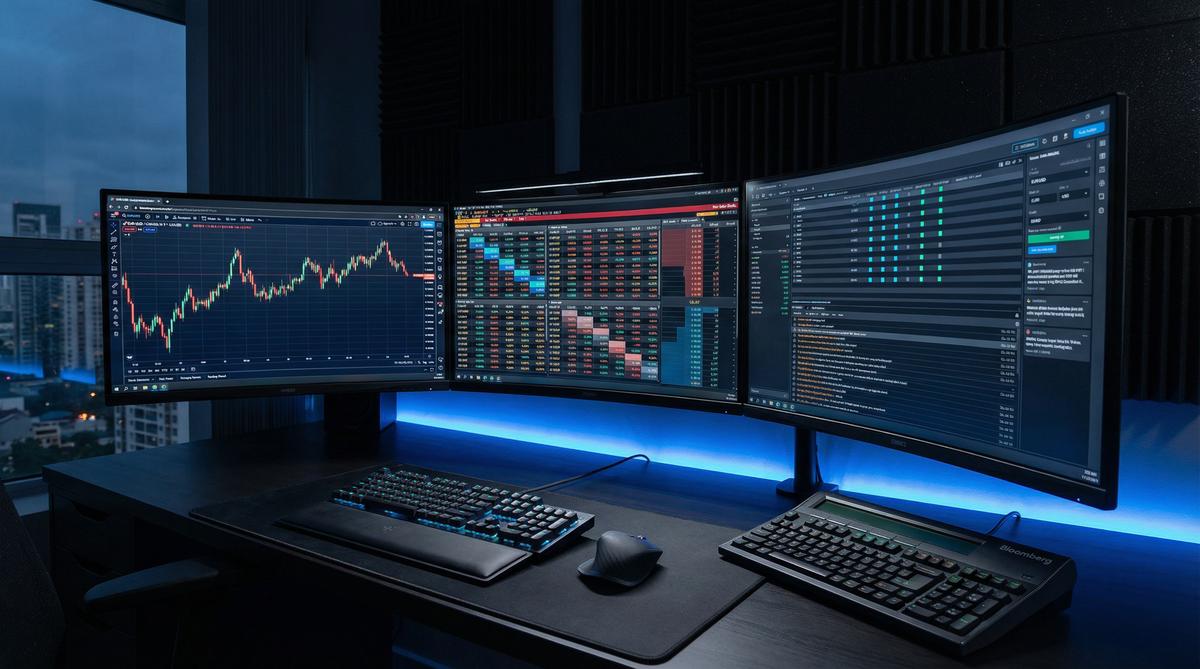
Step-by-Step Forex Trading Tutorial for Beginners Using Top Brokers
Hey there! I’m James Hartwell, CFA, and if you’re new to forex trading, you’re in the right place. Forex (foreign exchange) trading can seem intimidating at first—charts, jargon, and endless acronyms. But don’t worry; I’ll walk you through the process step-by-step, using some of the best brokers designed especially for beginners. By the end of this guide, you’ll have a solid foundation to kickstart your trading journey confidently.
Why Start Forex Trading with a Top Broker?
Choosing the right broker is like picking a great coach when learning a new sport. Top forex brokers for beginners offer user-friendly platforms, strong regulatory oversight, educational resources, and responsive customer support. These features can dramatically improve your learning curve and help you avoid costly mistakes.
Regulatory bodies like the Financial Conduct Authority (FCA) ensure brokers comply with strict rules to protect traders. According to the FCA, regulated brokers maintain customer funds separately and provide transparent pricing, which is crucial for new traders.[1]
Step 1: Understand the Basics of Forex Trading
Before jumping into trading, let’s cover the essentials:
- Currency Pairs: Forex always involves buying one currency while selling another (e.g., EUR/USD).
- Bid and Ask: The bid is the price you can sell at; the ask is the price you can buy at.
- Leverage: Borrowed capital to increase your exposure, but it increases risk.
- Spread: The difference between bid and ask prices; the broker’s commission.
For more detailed info, check out the Investopedia Forex Guide.
Step 2: Choose a Beginner-Friendly Forex Broker
Not all brokers are created equal, especially for beginners. Here’s a quick comparison of my top picks tailored for new traders, balancing ease of use, regulation, fees, and educational resources:
| Broker | Regulation | Minimum Deposit | Platform | Demo Account | Educational Tools |
|---|---|---|---|---|---|
| Broker A | FCA, CySEC | $100 | MetaTrader 4 & Mobile App | Yes | Webinars, Tutorials, Quizzes |
| Broker B | ASIC, FCA | $50 | Proprietary User-Friendly Platform | Yes | Video Courses, Trading Simulators |
| Broker C | FCA, IIROC | $200 | MetaTrader 5 & Desktop | Yes | Articles, Weekly Market Analysis |
Affiliate Call to Action
If you want to get started with a trusted platform that offers a low minimum deposit and incredible educational resources, sign up with Broker B today and claim your free demo account!
Step 3: Open a Demo Account and Practice
This is where the magic happens. The best brokers offer free demo accounts with virtual money, so you can practice without any risk. Use this time to:
- Familiarize yourself with the trading platform.
- Test different trading strategies.
- Understand market movements.
Take advantage of the educational content provided by your broker as you explore the demo account.
Step 4: Learn Risk Management
I can’t stress enough how important risk management is. According to academic research published in the Journal of Finance, managing your trade size and using stop-loss orders can significantly improve your long-term profitability.[2] Here are some basic rules:
- Never risk more than 1-2% of your trading capital on a single trade.
- Use stop-loss orders to limit losses.
- Keep a trading journal to track your performance.
Step 5: Fund Your Live Account and Start Trading
Once you feel comfortable with the demo, it’s time to move forward. Funding your live account can be done through various payment methods such as credit cards, bank transfers, or e-wallets. Choose what’s fastest and safest for you.
Start small. Use the risk management strategies you learned to protect your capital. Remember: patience and discipline are key.
Affiliate Call to Action
Ready to take the plunge? Open a live trading account with Broker A and start trading with confidence backed by strong regulation and excellent support.
Additional Tips for Forex Beginners
- Follow trusted financial news sources; staying updated helps with decision-making.
- Join online forex communities to learn from experienced traders.
- Avoid chasing quick profits—it’s a marathon, not a sprint.
Frequently Asked Questions (FAQs)
What is the best broker for beginners?
Brokers like Broker B and Broker A are excellent for beginners due to their low minimum deposits, demo accounts, and educational resources.
Is forex trading safe for beginners?
Forex trading involves risk, but by using regulated brokers and practicing risk management, beginners can trade safely and learn gradually.
How much money do I need to start forex trading?
Many brokers allow you to start with as little as $50 to $100. It’s best to start small and increase your capital as you gain confidence.
Can I trade forex on my mobile phone?
Yes! Most top brokers offer mobile apps that allow you to trade on the go with full functionality.
What is leverage, and should I use it?
Leverage lets you control larger positions with a small amount of capital but increases your risk. Beginners should use leverage cautiously and start low.
Remember, forex trading is a skill developed over time. Use these steps and trusted brokers to build your foundation and grow confidently.