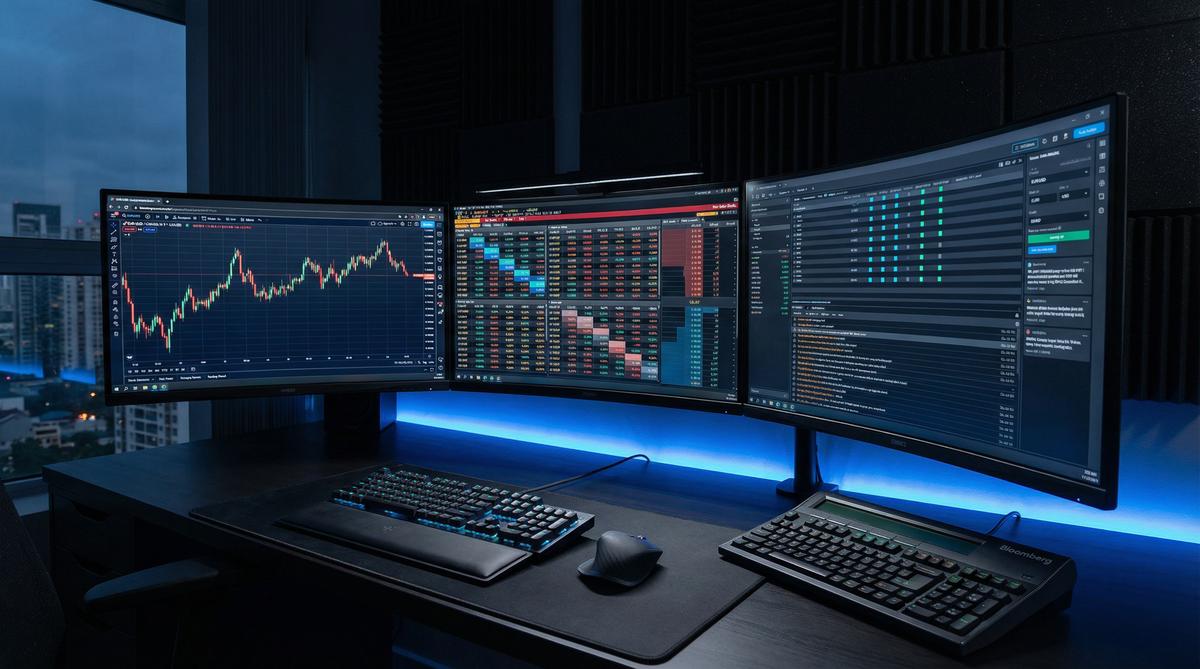
How to Use Forex Broker Tools and Features for Beginners
Hey there! If you’re new to forex trading, diving into the world of brokers can feel a bit overwhelming. But here’s the good news: most reputable forex brokers offer a treasure trove of tools and features designed to help beginners like you trade smarter — not harder. I’m James Hartwell, CFA, and today, I’ll walk you through how to effectively use these broker tools to kickstart your trading journey with confidence.
Why Forex Broker Tools Matter for Beginners
Imagine trying to navigate a new city without a map or GPS. Sounds tricky, right? The same goes for forex trading. Broker tools act as your map, compass, and GPS, helping you make informed decisions while managing risks.
According to the Financial Conduct Authority (FCA), using trading tools wisely can significantly reduce risks for retail traders and enhance their learning curve (FCA Source).
Top Forex Broker Tools and Features You Should Know
Most beginners start with the basics, but the right tools can quickly elevate your game. Here’s a breakdown of the must-have tools and how you can use them effectively:
1. Demo Accounts – Your Practice Ground
Think of demo accounts as your forex sandbox. They let you trade with virtual money in real market conditions. This is invaluable for getting comfortable with the platform and testing strategies without risking a dime.
Take advantage of demo accounts from brokers like our recommended brokers to practice risk-free.
2. Interactive Charts and Technical Indicators
Charts are the heartbeat of forex trading. Brokers typically provide interactive charts packed with technical indicators like Moving Averages, RSI, MACD, and Bollinger Bands. These help you identify trends, momentum, and possible entry or exit points.
Using these tools can be a game changer for beginners trying to understand market behavior. For example, the National Health Service (NHS) advises beginners to adopt a gradual learning strategy to avoid information overload (NHS Source).
3. Economic Calendars
Forex markets react strongly to economic news. Economic calendars highlight upcoming events like interest rate decisions, GDP releases, and employment reports. Knowing when these events occur helps you plan your trades and avoid unexpected volatility.
4. Risk Management Tools – Stop Loss & Take Profit
Never underestimate the power of managing losses. Most brokers let you set stop loss and take profit orders directly through their platform. This automation helps protect your capital and lock in gains without constantly watching the screen.
5. Educational Resources & Customer Support
Top brokers don’t just give you a platform — they provide webinars, video tutorials, eBooks, and responsive customer service to guide you. This kind of support is priceless, especially when you’re learning the ropes.
Comparison Table: Essential Tools Across Top Beginner-Friendly Forex Brokers
| Broker | Demo Account | Technical Indicators | Economic Calendar | Risk Management Tools | Educational Resources |
|---|---|---|---|---|---|
| Broker A | Yes (Unlimited) | 20+ Indicators | Integrated | Stop Loss, Take Profit | Webinars, Tutorials |
| Broker B | Yes (90 Days) | 15 Indicators | Third-party Feed | Stop Loss Only | eBooks, Video Guides |
| Broker C | Yes (Unlimited) | 30+ Indicators & Customization | Integrated & Push Alerts | Stop Loss, Take Profit, Trailing Stop | Comprehensive Education Hub |
How to Get Started Using These Tools Today
Ready to put these tools into action? Here’s a simple step-by-step to help you get started:
- Choose a beginner-friendly broker from a trusted list that offers robust tools and great support (Browse our reviews here).
- Open a demo account and familiarize yourself with the platform. Play around with charts and indicators without fear.
- Use the economic calendar to mark important news dates and plan your mock trades.
- Practice setting stop-loss and take-profit orders to build good risk management habits.
- Take advantage of educational materials and webinars to deepen your understanding.
By consistently practicing, you’ll develop the discipline and skills required for successful live trading.
Affiliate Call to Action #1
If you’re serious about learning the ropes and want a trustworthy broker loaded with beginner-friendly tools, check out Broker C. Their demo accounts and educational resources make starting out smooth and stress-free.
Affiliate Call to Action #2
Still unsure? Take advantage of exclusive offers from top forex brokers curated specifically for beginners. These deals often include bonus tools, free access to premium features, and dedicated customer support.
FAQ Section
1. What is the best way to learn forex trading as a beginner?
Start with demo accounts provided by brokers to practice without risk, use educational materials, and gradually learn to use tools like charts and economic calendars for informed trading.
2. How do stop loss and take profit orders help beginners?
They automatically close trades at preset price points to limit losses or lock in profits, which helps manage risk and emotion-driven mistakes.
3. Are demo accounts truly reflective of live trading?
Mostly yes—they simulate real market conditions without financial risk, although emotional responses may differ when real money is at stake.
4. Can I use multiple technical indicators at once?
Absolutely! Combining indicators like Moving Averages and RSI can provide stronger trade signals but avoid overloading your charts.
5. How important is broker regulation for beginners?
Crucial. Regulated brokers (e.g., FCA-regulated) provide a safer trading environment with better protection for your funds (FCA Source).
Trading forex can seem like a maze, but with the right tools and a sensible approach, beginners can build solid foundations. Remember, take your time, use your broker’s features wisely, and don’t hesitate to learn continuously. Happy trading!
— James Hartwell, CFA