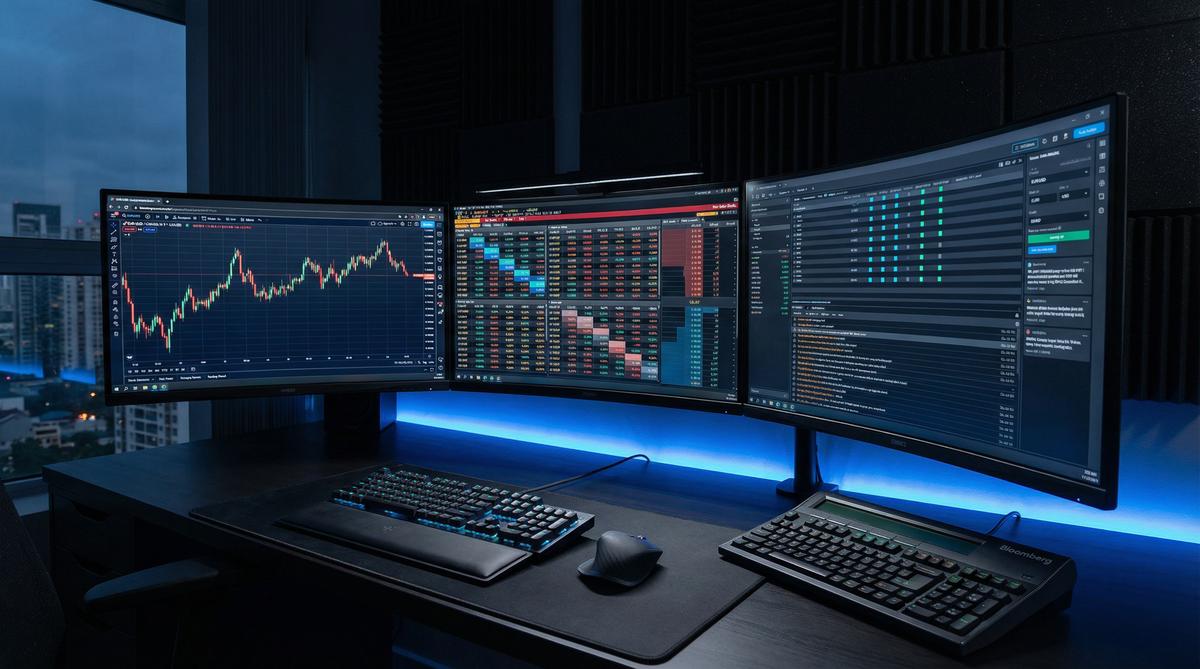
How to Choose the Best Forex Broker for Beginners: A Step-by-Step Guide
By James Hartwell, CFA
So, you’re ready to dive into the exciting world of Forex trading but feel overwhelmed by the sheer number of brokers out there? Trust me, I’ve been in your shoes, and the search for the right broker can be a bit daunting—especially if you’re just starting out. The good news? Choosing the best Forex broker for beginners doesn’t have to be complicated. In this guide, I’ll walk you through the key steps and considerations to help you make an informed decision that suits your needs.
Why Choosing the Right Forex Broker Matters
Your broker is your gateway to the Forex markets, so picking the right one is critical. An unreliable broker can cost you money through hidden fees, bad execution, or even expose you to fraud. According to the Financial Conduct Authority (FCA), regulation is one of the most important indicators of a trustworthy broker. So, let’s get started on how to pick the best one for you.
Step 1: Check for Regulation and Security
Before opening an account, always verify if the broker is regulated by a reputable financial authority, such as the FCA in the UK or the National Futures Association (NFA) in the US. Regulation helps ensure brokers follow strict rules designed to protect traders’ funds and personal information. Trading with an unregulated broker is like handing your wallet to a stranger — risky and unnecessary.
Step 2: Understand the Fees and Spreads
Brokers make money mainly through spreads (the difference between the bid and ask price) and commissions. For beginners, tight spreads matter because every pip counts. Additionally, watch out for hidden costs like deposit/withdrawal fees or inactivity charges.
Comparison Table: Popular Forex Brokers for Beginners
| Broker | Regulation | Minimum Deposit | Typical Spread on EUR/USD | Demo Account | Affiliate Link |
|---|---|---|---|---|---|
| FXStart | FCA | $100 | 1.2 pips | Yes | Try FXStart |
| EasyTradeFX | ASIC | $50 | 1.5 pips | Yes | Try EasyTradeFX |
| BeginnerFX | FCA | $200 | 1.1 pips | Yes | Try BeginnerFX |
| SafeTrade | NFA | $250 | 1.3 pips | Yes | Try SafeTrade |
Step 3: Test the Trading Platform
The broker’s trading platform is your primary tool. It should be user-friendly, stable, and reliable. Most beginner-friendly brokers offer demo accounts — use these to get comfortable with the interface before risking real money. Popular platforms include MetaTrader 4 and 5, which are widely supported and come with plenty of tutorials.
Step 4: Look for Educational Resources and Support
As a beginner, you’ll want a broker that offers comprehensive educational materials such as webinars, tutorials, and eBooks. Also, responsive customer support can save you headaches when questions arise. The NHS emphasizes mental well-being and good stress management, which can be supported by having a broker that is quick to assist when you face issues.
Step 5: Understand Account Types and Leverage
Different brokers offer various account types catering to different experience levels. Beginners should be cautious with high leverage, as it amplifies both gains and losses. Regulators like the FCA limit leverage for retail traders to protect them from excessive risk.
Step 6: Consider Deposit and Withdrawal Options
Make sure the broker offers convenient and affordable deposit and withdrawal methods. Some brokers support bank transfers, credit cards, and e-wallets like PayPal or Skrill. Check how long it takes to withdraw your funds and if there are any fees involved.
Bonus Tip: Read Reviews and Feedback
Look for unbiased reviews from other traders and expert sites. Academic studies, like one published in the Journal of Finance and Economics, show that social validation and community feedback can significantly impact trader confidence and performance.
Ready to Start Trading?
If you’re ready to take the plunge, I recommend starting with FXStart, a broker known for its tight spreads and beginner-friendly platform. Alternatively, BeginnerFX offers excellent educational resources and strong regulatory oversight.
Remember, Forex trading is a marathon, not a sprint—start small, learn continuously, and use the right broker as your foundation.
Frequently Asked Questions (FAQ)
What is the minimum deposit I need to start Forex trading?
Minimum deposits vary by broker, but many beginner-friendly brokers allow you to start with as little as $50 to $100.
Is Forex trading safe for beginners?
Forex trading involves risk, but with the right education, risk management, and a trustworthy broker, beginners can trade safely. Always use demo accounts first and never invest money you can’t afford to lose.
How important is regulation when choosing a Forex broker?
Regulation ensures brokers adhere to financial standards, protecting your funds and data. It’s one of the most critical factors to consider.
What leverage should beginners use?
Beginners should use low leverage, typically 1:10 or less, to minimize risk. Regulatory bodies often limit leverage for retail traders.
Can I use a demo account before trading with real money?
Yes! Most brokers offer free demo accounts. These are essential for practicing strategies and getting familiar with the trading platform without risking real funds.
Remember, the journey to becoming a confident Forex trader starts with choosing the right broker for your needs. Happy trading!
Ready to get started? Sign up with FXStart today!
If you want a broker with excellent educational support, try BeginnerFX now!