Understanding Forex Spreads: What Every Beginner Trader Needs to Know (From Someone Who’s Been There)
When I first dipped my toes into forex trading, the word “spread” popped up everywhere—like an inside joke I wasn’t in on. Brokers talked about them, forums buzzed about them, yet it felt like this invisible cost that could either make or break my profits. Honestly, I didn’t understand why it mattered so much. It wasn’t until I lost some hard-earned cash that I realized understanding forex spreads is one of those things that can turn the tide in your favor.
What on Earth Is a Forex Spread Anyway?
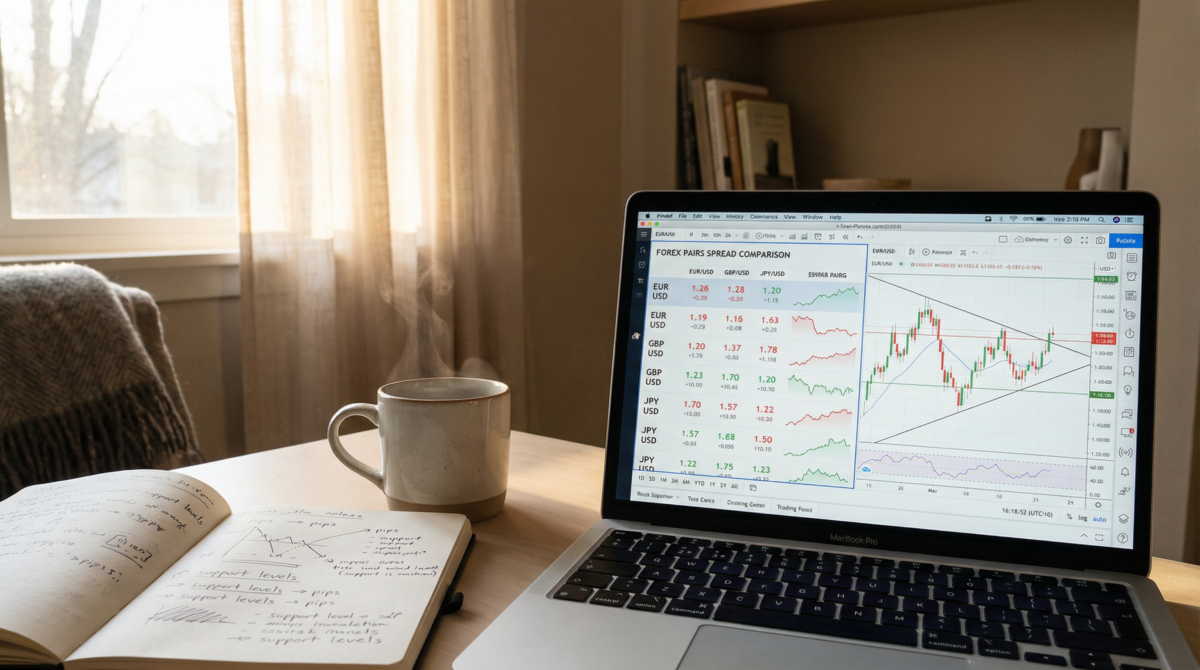
Alright, let’s break down the jargon. A forex spread is basically the difference between the buy price (ask) and the sell price (bid) of a currency pair. Imagine you want to buy euros with US dollars. The broker quotes you two prices: one to buy euros and one to sell them back. The gap between those numbers is the spread.
Here’s the thing though: this gap isn’t just a quirky market oddity. It’s how brokers make money (unless they charge commissions). If you think about it, you start your trade with a tiny loss—because you have to overcome the spread before you can even make a profit.
This is why spreads matter so much, especially for beginners like you (and me, back in the day). If you don’t factor in the spread, you might think you’re making a profit when you’re actually not.
Fixed vs. Variable Spreads: The Good, The Bad, and The Ugly
Spreads come in two flavors: fixed and variable (or floating). Fixed spreads stay the same no matter what. Variable spreads dance with the market—tight during calm times, wide when volatility spikes.
I remember testing both types. One broker offered fixed spreads, which sounded reassuring. But during high-impact news like the US Non-Farm Payroll report (which is known to cause crazy price movements), I saw the spreads balloon with the variable-spread brokers, sometimes tripling or more. This made trading during these times riskier but also felt more transparent.
Honestly? I prefer variable spreads because they often start tighter, which means lower costs during ‘normal’ market hours. But if you’re a news trader or swing trader, fixed spreads might give you peace of mind.
How Spreads Influence Your Strategy
Now, this is where it gets interesting. If you’re a scalper (someone who makes dozens of trades a day aiming for small profits), spreads are your worst enemy or your best friend. Tight spreads can make or break your returns because you’re trying to grab tiny chunks of profit.
On the flip side, if you’re a long-term trader who holds positions for days or weeks, spreads might seem less important because your profits (or losses) come from bigger market moves.
Here’s a quick personal anecdote: during my first month of scalping, I neglected spreads and ended up making what felt like good trades only to realize that the spread was eating up nearly all my profits. It was frustrating but a great lesson.
Spread Sizes: A Quick Reality Check
Spreads vary widely depending on the currency pair and broker. Major pairs like EUR/USD often have much tighter spreads (think 0.1 to 1 pip), while exotic pairs can have spreads as wide as 10 pips or more.
Don’t just pick a broker based on spreads alone, though. Some brokers lure you in with promises of low spreads but then charge hefty commissions or have slow execution speeds (which can widen your costs behind the scenes).
The Spread vs. Commission Debate
Some brokers advertise “zero spread” accounts but then hit you with commission fees per trade. Others offer no commissions but wider spreads. Which should you pick?
Here’s how I think of it: total cost is what matters. You want to compare the sum of spread costs plus commissions and any other fees. Sometimes a broker with a slightly wider spread but no commission is cheaper overall—and vice versa.
Below is a handy table comparing typical broker models for spreads and commissions:
| Broker Type | Spread | Commission | Best For | Downside |
|---|---|---|---|---|
| Market Maker | Fixed, often wider | Usually none | Beginners, predictable costs | Potential conflict of interest |
| ECN/STP | Variable, tight | Yes, per lot | Active traders, scalpers | Complex pricing, commissions add up |
| Hybrid | Variable | Sometimes | Traders wanting a mix | Can be confusing |
Why Some Brokers’ Spreads Look Too Good to Be True
I’ve seen ads boasting spreads as low as 0.0 pips. Sounds dreamy, right? But watch out—it often comes with a catch. Either they have high commissions, or spreads widen dramatically during volatile times. Some brokers even widen spreads intentionally during news events to protect themselves, which can frustrate traders who didn’t expect it.
That’s why I always recommend reading the fine print and testing out spreads in a demo account before going live. Here’s a tip: keep an eye on spreads during major economic announcements. If they spike to crazy levels (like 10+ pips on EUR/USD during a calm day), that broker might not be for you.
How I Personally Test Brokers’ Spreads
When I evaluate brokers, I do three things:
- Monitor live spreads on major and minor pairs during different times of the day (including volatile periods).
- Compare the total cost (spread + commission) on small and large trades.
- Check execution speeds and slippage, since these affect the real cost of the spread.
If the broker consistently offers tight spreads and fast execution without hidden fees, that’s a green flag for me. [INTERNAL: Forex Brokers for Beginners: Comparing Spreads, Fees & Commissions]
Can Spreads Change Overnight? Spoiler: Yes
Forex never sleeps, but its spreads do take a nap sometimes—getting wider or narrower depending on market liquidity. For example, during Asian trading hours, the EUR/USD pair often sees wider spreads compared to the busy New York session.
I noticed this personally when trading from home in Europe late at night—my spreads ballooned, and my trades cost more than usual. This is just how the market works. The less liquidity there is, the bigger the spread. So, trading EUR/USD at midnight may cost you more than at 3 PM.
To Spread or Not to Spread: When Are Spreads Most Costly?
Here’s a quick checklist of times when spreads tend to get ugly:
- During major economic announcements (think: Federal Reserve rate decisions, inflation data)
- Market open/close hours
- Low liquidity periods (overnight or during holidays)
Plan your trades with this in mind. Sometimes it’s better to wait it out rather than get caught in a spread trap.
Breaking Down a Real-World Example: EUR/USD Spread
Let me share a quick story. Back in March 2023, around the time of the European Central Bank’s interest rate announcement, I was watching spreads like a hawk. For hours, the EUR/USD spread hovered around 0.8 pips on my broker. Then—boom—the announcement hit, and it spiked to 5 pips for several minutes.
If I’d entered a scalp trade right at that moment without awareness, I’d have lost more just from the spread than from the actual price movement. Lesson learned: always check the economic calendar and be wary around news events.
Key Takeaways from My Journey Through Spreads
- Spreads are your first cost in every trade—ignore them at your peril.
- Variable spreads generally offer better value but come with volatility.
- Don’t fall for “zero spread” without checking commissions and execution quality.
- Testing in demo accounts, especially during volatile periods, reveals a lot about a broker’s true costs.
- Consider your trading style—scalpers need tight spreads; long-term traders less so.
If you want to learn more about protecting yourself from hidden broker pitfalls, check out my tips on avoiding scams and finding brokers with great beginner support.
Quick FAQ: The Spread Edition
What’s a normal spread for EUR/USD?
Typically, it ranges between 0.1 and 1 pip during regular market hours on major brokers. However, during volatile times, it can widen significantly.
Should I always pick brokers with the lowest spreads?
Not necessarily. Consider total costs including commissions, execution speed, and broker reputation. Sometimes slightly higher spreads come with better overall service.
Do spreads change during the weekend?
Yes, since the forex market closes on weekends, spreads can be wider right before and after weekends due to low liquidity.
Can spreads affect stop-loss orders?
Absolutely. Wider spreads can trigger stop-losses prematurely, especially during volatile market conditions.
Are spreads regulated?
Regulation focuses more on broker transparency and fair dealing rather than controlling spread sizes. For example, the UK’s FCA requires brokers to clearly disclose costs, including spreads (FCA, 2023).
Before You Go: My Top Tip to Nail Spreads
I recommend opening demo accounts with a few brokers and tracking their spreads during different times, especially around major news. This hands-on method saved me from costly mistakes and will give you a real feel for what to expect.
If you’re ready to pick a broker with competitive spreads and great beginner support, check out my picks in Top Forex Brokers for Beginners Who Want to Trade Cryptocurrencies. Don’t let the spread scare you—it’s just part of the game, and with the right knowledge, you can turn it to your advantage.
Good luck out there—and remember, every pip counts!
References:
UK Financial Conduct Authority (FCA), 2023. https://www.fca.org.uk/
Baur, D.G., & Lucey, B.M. (2010). Is Gold a Hedge or a Safe Haven? An Analysis of Stocks, Bonds and Gold. Financial Review, 45(2), 217-229.